
Essential Tips for Preparing Your Home for Winter Weather
Winter weather can bring beautiful snowy landscapes and cozy nights, but it also challenges your home’s comfort and safety. Preparing your home before the cold sets in helps prevent costly repairs, keeps your family warm, and improves energy efficiency. This guide covers practical steps to get your home ready for winter, from insulation to emergency readiness.
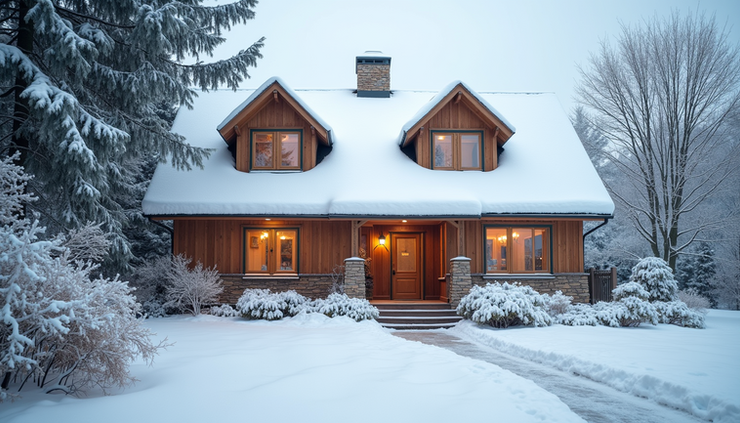
Check and Improve Insulation
Proper insulation is the first line of defense against cold weather. It keeps warm air inside and reduces heating costs.
Inspect attic and walls for gaps or thin insulation. Adding extra insulation in the attic can reduce heat loss by up to 25%.
Seal gaps around windows and doors with weatherstripping or caulk to block drafts.
Use insulated curtains or thermal blinds to add an extra layer of protection on windows.
Consider insulating your basement or crawl space to prevent cold air from seeping in through the foundation.
These steps help maintain a consistent indoor temperature and reduce the workload on your heating system.
Service Your Heating System
Your heating system works hardest during winter, so it needs to be in top shape.
Schedule a professional inspection for your furnace or boiler before the cold season starts.
Replace or clean filters regularly to improve air flow and efficiency.
Test your thermostat to ensure it accurately controls the temperature.
Bleed radiators if you have a hot water heating system to remove trapped air and improve heat distribution.
A well-maintained heating system uses less energy and reduces the risk of breakdowns during freezing weather.
Protect Pipes from Freezing
Frozen pipes can burst and cause serious water damage. Take these precautions:
Insulate exposed pipes in unheated areas like basements, garages, and crawl spaces.
Let faucets drip slowly during extreme cold to keep water moving.
Open cabinet doors under sinks to allow warm air to circulate around pipes.
Know where your main water shutoff valve is in case you need to stop water flow quickly.
If you plan to be away during winter, drain your water system or keep the heat on to avoid frozen pipes.
Prepare Your Roof and Gutters
Snow and ice buildup can damage your roof and cause leaks.
Clear gutters and downspouts of leaves and debris to prevent ice dams.
Check the roof for damaged or missing shingles and repair them before snow arrives.
Install gutter guards to reduce clogging.
Consider adding roof heating cables in areas prone to ice dams to help melt snow safely.
Proper roof maintenance protects your home’s structure and prevents costly water damage.
Winterize Doors and Windows
Drafty doors and windows let cold air in and warm air out.
Install door sweeps on exterior doors to block drafts at the bottom.
Use weatherstripping around door and window frames.
Apply plastic film insulation kits on windows for an extra barrier against cold.
Replace old or damaged windows with energy-efficient double or triple-pane models if your budget allows.
These measures improve comfort and reduce heating bills.
Stock Up on Winter Supplies
Being prepared for winter emergencies keeps your household safe and comfortable.
Keep a supply of rock salt or ice melt for walkways and driveways.
Have shovels and snow blowers ready for snow removal.
Store extra blankets, warm clothing, and flashlights in case of power outages.
Check your smoke and carbon monoxide detectors and replace batteries.
Having these supplies on hand helps you respond quickly to winter challenges.
Maintain Outdoor Equipment and Landscaping
Winter preparation extends beyond your home’s walls.
Drain and store garden hoses to prevent freezing and cracking.
Trim tree branches that could break under snow and damage your home.
Cover outdoor furniture or store it away.
Service your snow blower and other winter tools before the season.
Taking care of your outdoor space reduces risks and keeps your property in good shape.
Create an Emergency Plan
Winter storms can cause power outages and isolation.
Develop a family emergency plan including communication methods and meeting points.
Prepare an emergency kit with food, water, medications, and essential supplies for at least 72 hours.
Know local emergency shelters and warming centers.
Keep your phone charged and have backup power sources if possible.
Planning ahead ensures your family stays safe during severe winter weather.


Comments